
















by BlackOyibo Promise
The term ‘processed food’ can cause some confusion because most food items undergo some form of processing before being consumed. It is therefore important to differentiate the various forms of processing in order to make a clear distinction between healthy and unhealthy forms of food processing.
Mechanical processing, such as grinding beef, heating vegetables or pasteurizing foods, does not necessarily make foods unhealthy, rather it puts the food into a form that is readily consumable. It is the physical breakdown of food into smaller particles for consumption, without altering its chemical composition. If the processing does not add artificial chemicals or ingredients, it does not tend to lessen the healthfulness of the food.
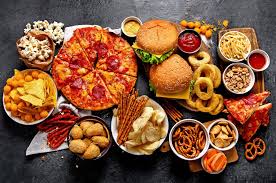
Chemical processing of foods often involve the addition of refined ingredients and artificial substances, with little nutritional value, sometimes to make it sweeter and preserve its shelf life. It tends to add chemical flavoring agents, colors, preservatives and sweeteners. These ultra-processed foods are sometimes called Cosmetic Foods, as compared with whole foods that still maintain its natural nutrients to a very large extent. Some examples of ultra-processed foods include:
• frozen or ready meals
• baked goods (pizza, cakes and pastries)
• packaged breads
• processed cheese products
• breakfast cereals
• crackers and chips
• candy and ice cream
• instant noodles and soups
• reconstituted meats (sausages, nuggets, fish fingers and processed ham)
• sodas and other sweetened drinks
Unfortunately, in order to satisfy human want of having readily available foods (fast food), and reduce the stress involved in making foods, technology has brought various means of processing food items which now has damming effects on our health. While we celebrate these technological food innovations, it is pertinent to note that most of its products are detrimental to our health as studies have shown. Some of these health effects are;
- Obesity:
Ultraprocessed foods are often high in calories and low in nutrients, which can lead to weight gain and at some point, can cause obesity, especially with frequent consumption. Calories are known for increasing the general body weight, though it provides the needed energy for daily activities. - Type 2 Diabetes:
The high sugar content in many ultraprocessed foods can contribute to insulin resistance and increase the risk of developing type 2 diabetes. It is well known that too much sugar consumption, without having the required insulin levels, will most likely lead to diabetes, which in recent times have gotten more numbers due to increased consumption of ultraprocessed food items. - Cardiovascular Diseases:
Processed foods can raise blood pressure, cholesterol levels and triglycerides, all of which are risk factors that may lead to heart disease and stroke, according to the American Medical Association. According to studies, cardiovascular diseases (CVDs) constitute the leading cause of mortality in the United States and globally, accounting for approximately one-third of all deaths. Unfortunately, the fat-paced lifestyle of today’s world cannot do without ultraprocessed food items. - Digestive Issues:
Lots of digestive health issues, are becoming rampant as a result of the ever increasing consumption of ultraprocessed food items. These digestive issues like gut microbiome disruption, reduced nutrient absorption, have become major health issues amongst ultraproccessed food consumers.
Ultraprocessed foods can disrupt the balance of bacteria in the gut, potentially leading to digestive disorders like Irritable Bowel Syndrome (IBS) and Inflammatory Bowel Disease (IBD). The processing of foods can sometimes reduce the availability of essential nutrients, making it harder for the body to absorb them. - Refined carbohydrates
Carbohydrates are an essential component of any diet. However, carbs from whole foods provide far greater health benefits than refined carbohydrates.
The body breaks down refined or simple carbohydrates quickly, leading to rapid spikes in blood sugar and insulin levels. When these levels then drop, a person may experience food cravings and low energy. Because refined carbs cause frequent increases and decreases in blood sugar, consuming them is linked with an increased risk-trusted source of type 2 diabetes. Ultraprocessed foods are often high in refined carbohydrates. Healthy sources of carbohydrates include; whole grains, vegetables, fruits, beans and pulses. - Low in fiber
Dietary fiber has a wide range of health benefits, which are very essential for our diet and general body wellbeing. Fiber can slow the absorption of carbohydrates and help people feel more satisfied with fewer calories. It also acts as a prebiotic, feeding the friendly bacteria in the gut, and can help boost heart health.
Most ultraprocessed foods are very low in fiber, as natural fiber is lost during processing, thus making it a great miss in most food diet of ‘modern homes’. Children who essentially need dietary fiber for a
Healthy high fiber foods include; legumes, vegetables, fruits, whole grains, nuts and seeds.
It is becoming an almost unavoidable, that ultraprocessed food is found in almost every diet in many homes. While they may save time and reduce stress, it is still important that we consider our eating not just for the sake of satisfying hunger, but for its health benefits.


Add Comment