











By Emmanuel Mbah
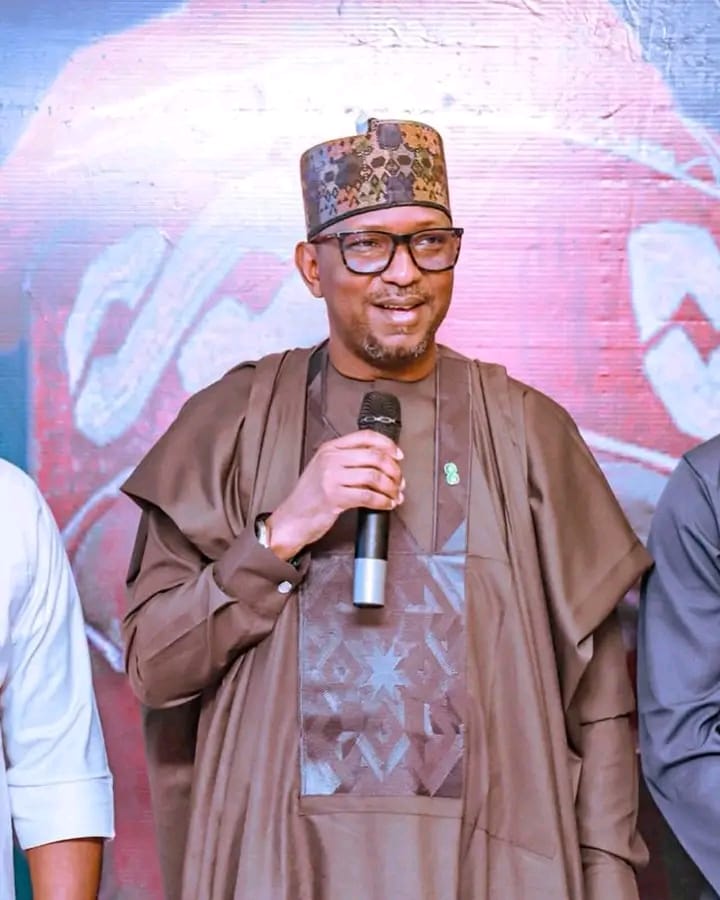
The Chairman of the National Sports Commission (NSC), Mallam Shehu Dikko, has defended the Federal Government’s financial intervention in the Nigeria Premier Football League (NPFL), insisting that meaningful government support is essential to reposition the country’s domestic football, Puyaka.net reports
Speaking amid growing debate over the Federal Government’s involvement in the league, Dikko dismissed claims that the intervention was unnecessary, arguing that successful football leagues around the world have benefited from public investment at critical stages of their development.
Drawing from his experience as former Chairman of the League Management Company (LMC), Dikko said the lack of government backing was one of the biggest obstacles during his time in charge of the league between 2013 and 2022.
“If we had received this level of support back then, Nigerian football would be much further ahead today,” he said.
According to him, the league operated for years without direct government funding, while efforts to attract private investment were often frustrated.
“I know what happened because I was there. We worked hard to secure sponsorships, but there were occasions when government officials discouraged companies from partnering with the league. We cannot repeat those mistakes. If the government is now ready to support the league, that should be welcomed, not criticised.”
Dikko stressed that the Tinubu administration’s decision to invest in domestic football is part of a broader strategy to create an environment where sports can thrive.
“Our responsibility is to provide the right foundation. Where government intervention is needed, we will not hesitate. We cannot continue complaining about the poor state of the league and then oppose efforts to improve it.”
The NSC chairman revealed that the commission has already demonstrated its ability to attract major private-sector funding, citing the ₦5 billion sponsorship secured for the National Sports Festival.
He believes the same approach can unlock significant investment for the NPFL.
“We secured ₦5 billion from a single sponsor because they saw innovation and value in the National Sports Festival. If we improve the league, introduce fresh ideas and raise standards, investors will naturally come.”
He added that the commission’s ₦2.5 billion support package and efforts to improve players’ welfare are aimed at making Nigerian football a more attractive commercial product.
Dikko also disclosed that several top-tier corporate organisations have already expressed interest in supporting school sports, with proposed investments exceeding the current commercial value of the NPFL.
“If companies are willing to commit that level of funding to school sports, then the league has even greater potential. We simply have to work together with the Nigeria Football Federation and the NPFL to unlock it.”
Responding to critics who argue that football should be left entirely to private investors, Dikko pointed to examples from leading football nations.
He noted that the British government invested heavily when the English Premier League was established in 1992, describing it as a decision that eventually generated billions in tax revenue for the UK economy.
He also cited South Africa’s support through broadcast rights and Morocco’s continued investment in clubs, stadium infrastructure and broadcast equipment as evidence that government involvement remains common in successful football systems.
According to Dikko, Nigeria can achieve similar long-term economic benefits if the league becomes stronger.
“The money invested today will return through economic growth, employment opportunities and a truly professional football league where players earn decent wages.”
NSC Director-General Hon. Bukola Olopade threw his weight behind the chairman, saying Dikko possesses the experience required to lead meaningful reforms.
He said Dikko understands the league’s challenges better than most, having managed it for several years.
“If the league cannot improve under someone with his experience, then serious questions must be asked. Thankfully, we now have a President who is committed to making sports work.”
Nigeria Football Federation (NFF) President Alhaji Ibrahim Gusau urged football stakeholders, club owners and the media to support the government’s efforts rather than oppose them.
He recalled similar frustrations during previous attempts to attract sponsors, claiming that some partnerships collapsed after interference from government officials.
“Today we have a government that wants to help develop the league. Instead of discouraging the process, everyone should support it.”
Chairman of the NPFL Club Owners Association, Sir Okey Kpaluku, described the intervention as a timely boost for Nigerian football.
He maintained that no professional league can thrive without adequate funding and insisted that government support is often the catalyst that encourages private investors.
“You cannot build a successful league without resources. Once the government creates a stable foundation, the private sector will follow. On behalf of NPFL clubs, we appreciate the Federal Government for stepping in.”
The renewed push by the National Sports Commission signals a stronger commitment to rebuilding the NPFL through increased investment, improved player welfare and stronger partnerships with the private sector. Whether the initiative delivers lasting change will depend on how effectively government, football administrators and investors work together in the months ahead.


Add Comment