















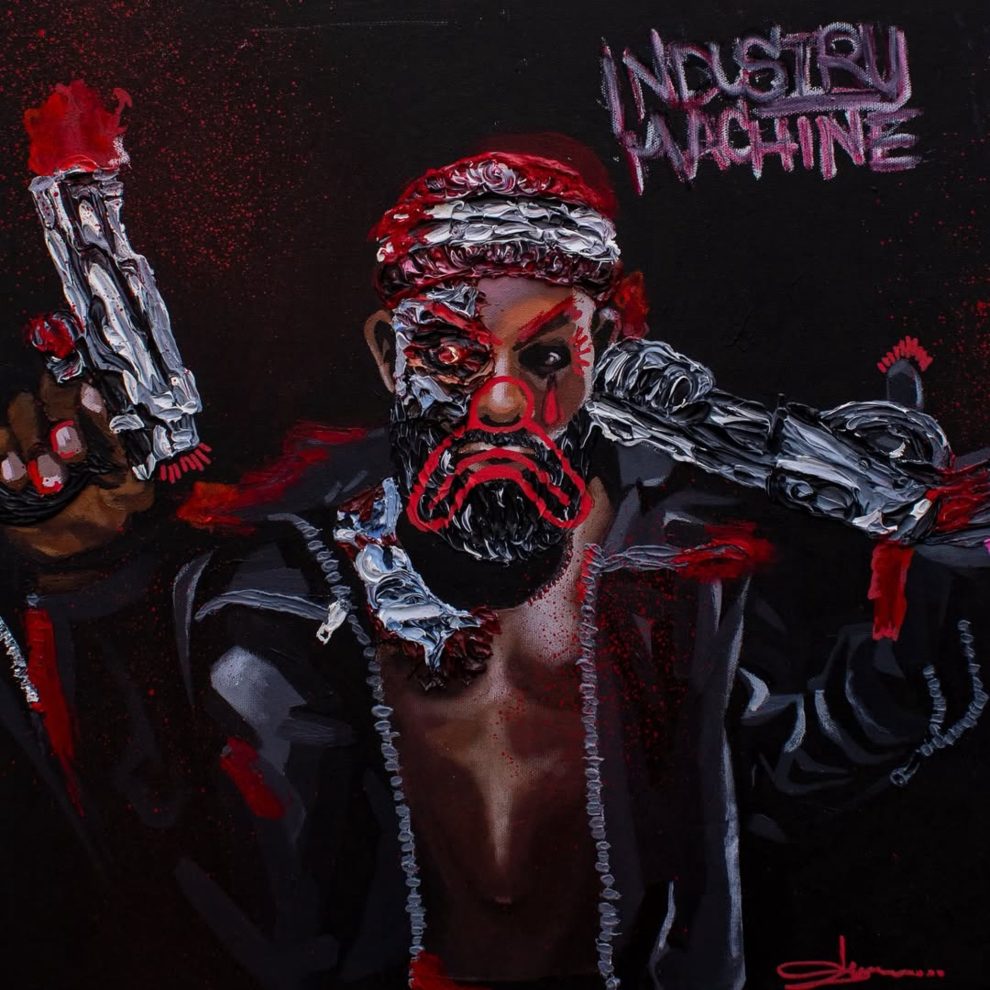
In a bold, full-throttle return, Odumodublvck dropped his third full-length album, Industry Machine, on October 6, 2025, under Kalacious Entertainment / Native / Def Jam. The 23-track body of work doubles down on his signature drill-rap foundation while weaving in Afrobeats textures and cross-border collaborations, staking a claim as one of Nigeria’s most compelling boundary-pushing albums of the year.
Sound & Features: Drill meets Afrobeats, local meets global
From the opening title track “Industry Machine,” produced by longtime collaborator Ucee, OD leans into critiques of misunderstanding and friction in the music space, while asserting his growing influence. Yet, the album never stays locked in pure drill — producers like P.Priime, Telz, Decs, and FK help bring flexibility, ensuring each feature gets tailored soundscapes.
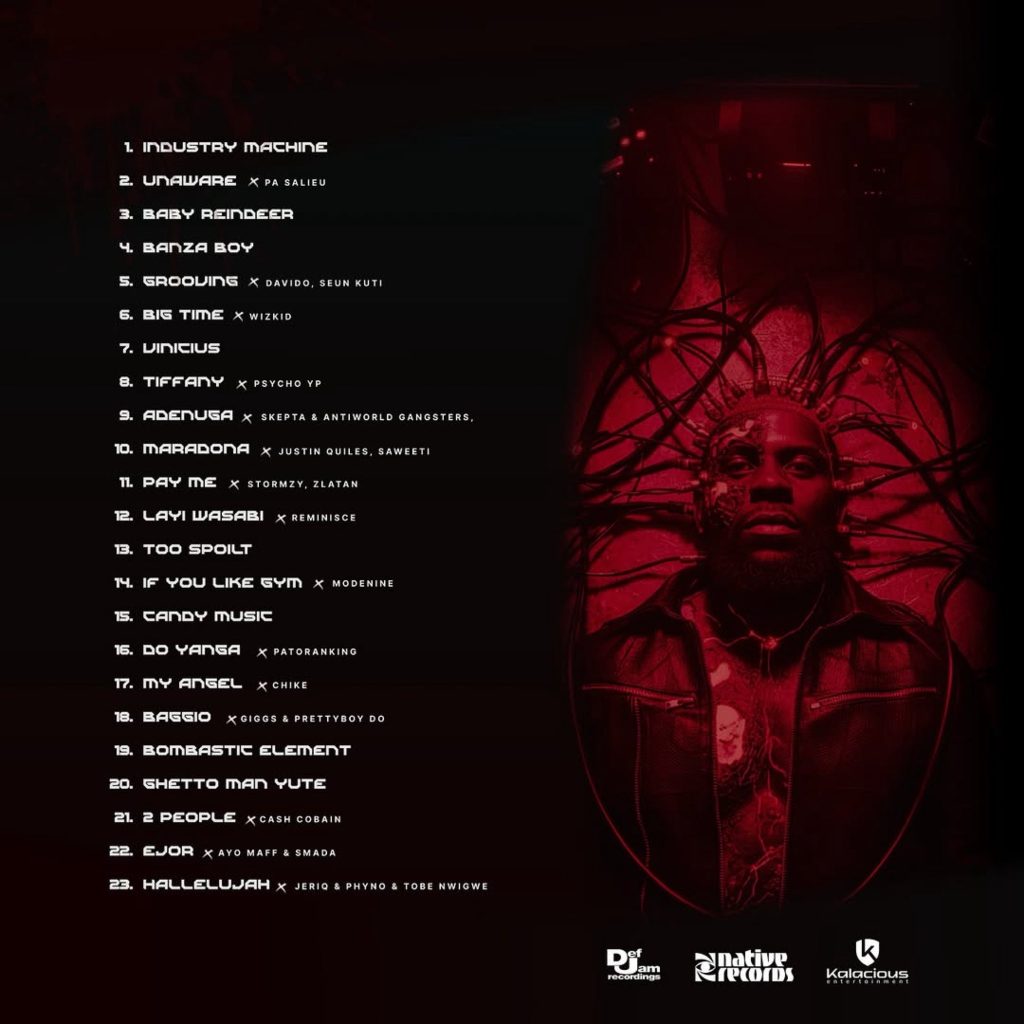
There are several standout moments:
“Grooving” (with Davido and Seun Kuti): A highlife-tinged lead that balances Odumodublvck’s rap cadence, Davido’s melodic contributions, and Seun Kuti’s sax lines.
“Big Time” (featuring Wizkid): Notably, Wizkid originally had claim to the song; after it wasn’t placed on his Morayo project, it passed to OD. Wiz’s verse carries vestiges of a Made in Lagos-sound, giving the track crossover appeal.
“If You Like Gym” (with Modenine) and “Do Yanga” (with Patoranking): These songs showcase OD’s versatility — one leans hardcore rap, the other introduces dancehall flavor.
“Maradona” (with Justin Quiles and Saweetie) and “Pay Me” (with Stormzy and Zlatan Ibile) supply international flair, while tracks like “Baggio” (with Giggs and Prettyboy DO) and “Vinicius” bring his recurring football–inspired motif into sharper focus.
Thematically, the album is a collision of ambition, defiance, and identity. Football metaphors anchor ego and striving, while personal tracks like “My Angel” (with Chike) offer emotional vulnerability, even if some listeners may find the weaker hooks a minor blemish on an otherwise polished effort.
Early reception & streaming milestones
Industry Machine made significant waves almost immediately:
It soared to No. 1 on Apple Music Nigeria within days of release.
On Spotify Nigeria, the album logged 4.32 million streams in its first full day, placing it among Spotify Nigeria’s all-time biggest first-day streaming debuts — entering at around No. 7 on that list.
Some sources claim OD broke the record for the highest single-day streams by a Nigerian rapper with 7.53 million streams, though public verification is pending.
Those numbers reinforce the narrative: Odumodublvck isn’t just a rising star — he is already playing in the same arena as Nigeria’s mainstream juggernauts.
Additional context: his earlier track “Declan Rice” remains one of his signature songs, having climbed charts and helped cement his brand as a bridge between rap, drill, and Afrobeats.
Strengths, critiques & cultural reading
Strengths:
Consistent energy across a lengthy tracklist — OD rarely lets momentum slip.
Smart feature choices that feel organic rather than forced; big names (Davido, Wizkid, Stormzy) amplify reach while underground collaborators keep authenticity.
Sonic balance between strict drill textures and melodic Afrobeats flavor — it’s not a watered-down formula, but a deliberate hybrid.
Critiques:
Some choruses still feel outsourced, lacking the raw edge that would more tightly bind the project.
A few guest verses occasionally clash with OD’s cadence or the production, creating slight mismatches in flow.
Tracks like “My Angel” showcase promise but don’t fully reach the polish expected of top-tier pop-rap crossovers.
Culturally, Industry Machine positions Odumodublvck as a bridge between Nigeria’s street rap energy and global mainstream currents. While many Afrobeats albums chase international trends, OD’s route is more insurgent, he’s pulling the mainstream toward drill energy, rather than diluting drill to chase Afrobeats. By weaving local, continental, and transatlantic voices, he reinforces that Nigeria’s next wave can be both rooted and global.
Final word
Industry Machine doesn’t completely reinvent Odumodublvck’s formula, but it refines it — with higher-budget production, bolder feature bets, and aggressive streaming execution. For fans of “Declan Rice” and OD’s earlier works, this album delivers an upgraded, more expansive vision without losing the sharp edge.
If the streaming data holds and mainstream audiences continue to lean in, Odumodublvck may well be one of the defining voices of Nigeria’s next era of hip-hop–Afrobeats fusion.


Add Comment